Edited by Galerie Gisela Capitain Cologne, Galerie Elisabeth & Klaus Thoman Innsbruck/Vienna
Text (German/English) by Martin Prinzhorn, Elena Brugnano
130 p. with 80 colour illustrations, 8 of them on transparent paper
Format 27 x 21 cm, linen embossed with dust jacket
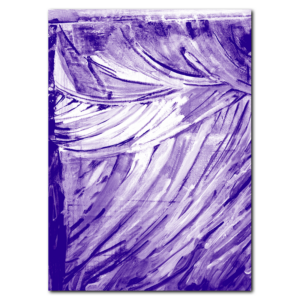
The amaryllis plant of the genus Hippeastrum, commonly known as the amaryllis, comes from the winter rain regions of South Africa and is very popular in Germany because its blossom promises us spring even in winter. Maria Brunner, born in Lienz, Austria in 1962 and now living in Berlin, dedicated an entire cycle of small-format oil paintings to the amaryllis in 2014. In addition, this first comprehensive publication on the oil paintings painted with great virtuosity in recent years includes a series of large-format canvases of cloths floating in the air from 2015 and small felt-tip drawings folded from glassine from 2016. Maria Brunner's work has always been characterised by the profound doubt as to whether things are as they seem. However, her oil paintings have nothing to do with the hyperrealism of Franz Gertsch or Chuck Close, nor do they deal with disappearance, blurring or the fleeting real moment of a snapshot as in the work of Gerhard Richter. Since the collage-like oil works from around 2010, she has been moving towards the depiction of a single object in her questioning of surface stimuli. Initially, the collages were still allowed to say: the heart has no knees, the nose is not a cucumber or a biscuit. Whereas for her depictions of amaryllises or floating scarves, the answer must now be: What on earth does that remind you of? There are several factors at play here with the viewer: Maria Brunner's works aim to overwhelm in the painted detail, they utilise the knowledge of clair-obscur in the backgrounds and push it with the opposite effect, the sfumato, and hyperrealism never stands a chance. It may sound audacious, but a whole new magical realism is making its debut here!